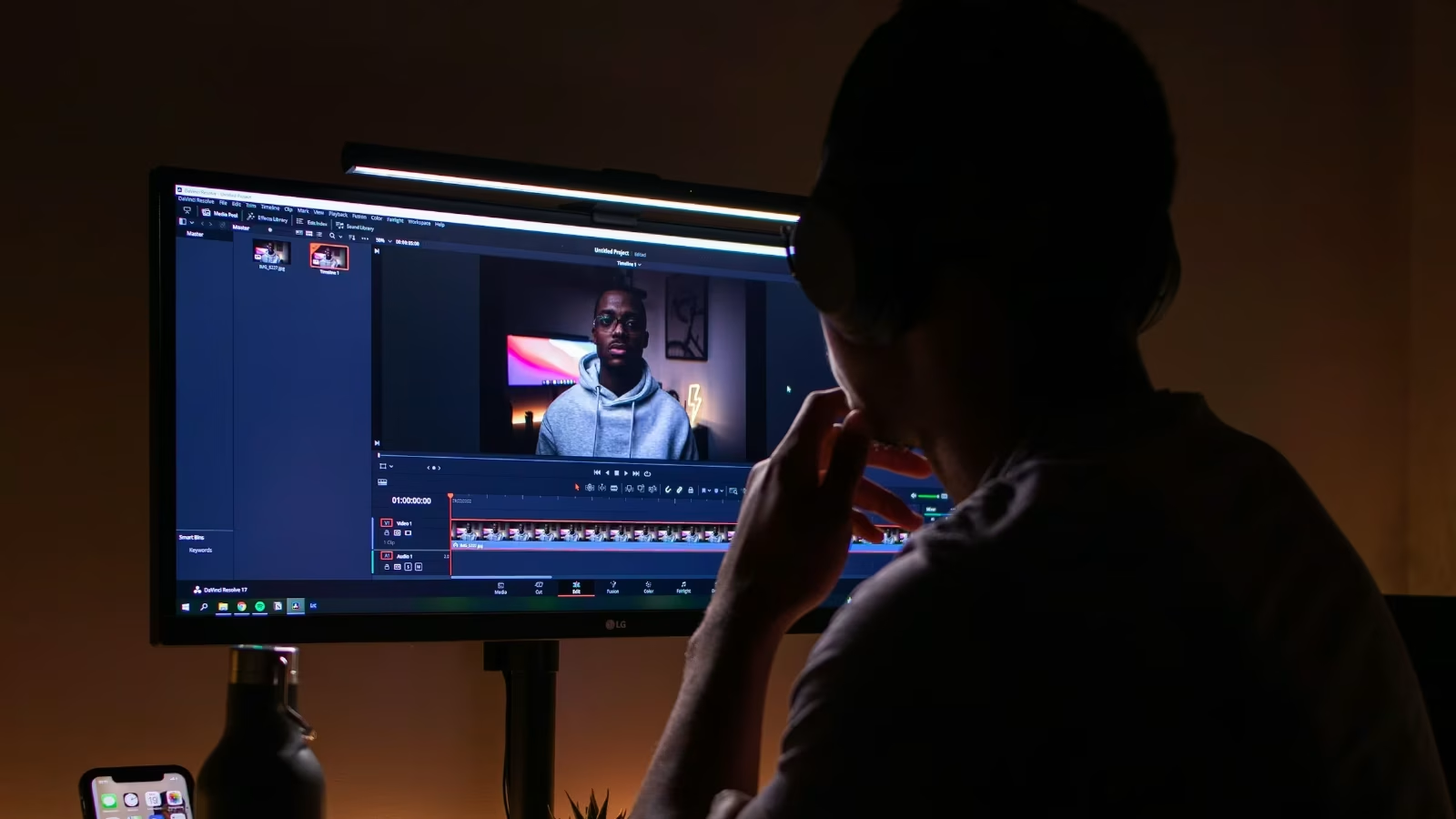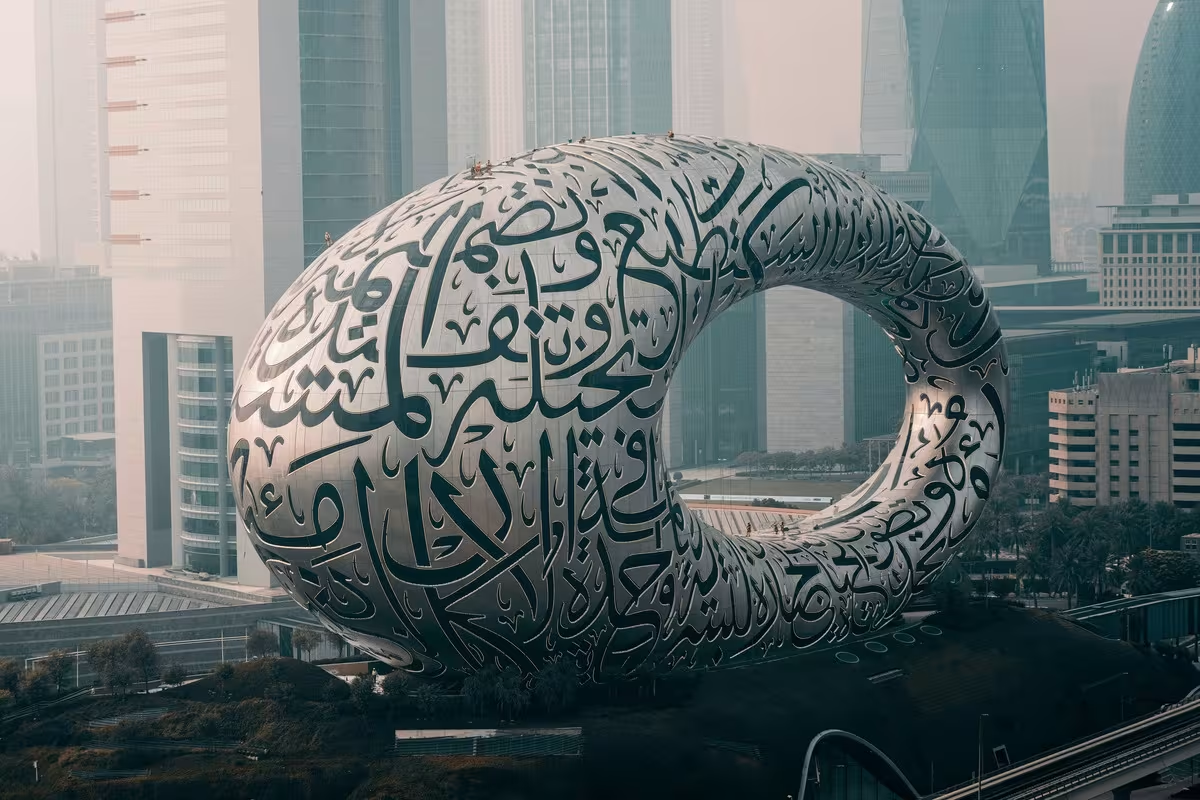
The MENA region represents one of the highest-growth content markets in the world. Streaming platform penetration is accelerating. Brand media investment is rising. And production companies from North America, Europe, and Asia are all racing to establish a meaningful Arabic-language presence.
Most of them are making the same foundational errors — and those errors are costing them audience trust before the content has a chance to earn it.
The First Misunderstanding: Arabic Is Not a Single Language
Modern Standard Arabic (MSA) is the standardized written form used in formal media, news, and official communications across the Arab world. It is understood by educated Arabic speakers everywhere. But it doesn't sound like anyone talking to their family, watching a comedy with friends, or scrolling through their social media feed.
Colloquial Arabic splits into distinct regional dialects — Egyptian, Levantine, Gulf, Moroccan Darija, and others — each with different vocabulary, rhythm, idiom sets, and cultural connotations. Egyptian Arabic carries enormous cultural weight because of Egypt's dominant role in the history of Arabic cinema and television. Levantine Arabic has strong associations with literary culture and drama. Gulf Arabic resonates deeply in the Gulf Cooperation Council markets where purchasing power is concentrated.
When global brands commission "Arabic localization" without specifying which Arabic, they either receive MSA that sounds formal and distant to everyday viewers, or they receive a dialect choice made arbitrarily by whoever happened to be available. Neither outcome serves the audience.
Choosing the Right Arabic for Your Content
- Drama, film, and scripted content: Levantine Arabic is often the prestige choice for serious drama, while Egyptian Arabic remains the most universally understood colloquial register.
- Children's content and animation: Egyptian Arabic has dominant historical precedent. Gulf Arabic is gaining traction for GCC-targeted productions.
- Corporate training and e-learning: MSA is typically the safer cross-market choice. It signals professionalism and avoids regional favoritism.
- Marketing and advertising: Consumer-facing campaigns require the most careful dialect decision. A campaign that lands perfectly in Egypt may feel foreign in Saudi Arabia.
- Documentary and news content: MSA is the standard for credibility.
Cultural Adaptation Is Not Optional
Translation converts words. Cultural adaptation converts meaning. These are not the same thing, and the gap between them is exactly where localization fails MENA audiences.
Humor and Idiom
Humor is almost never directly translatable. A joke that works in English because of a specific cultural reference often requires complete reconstruction in Arabic — not a literal equivalent that will simply confuse the audience. Skilled Arabic dialogue adaptors rebuild the comedic intent using culturally resonant references that land with the target audience rather than transplanting English-language humor wholesale.
Gender and Social Registers
Arabic is a gendered language with formal social hierarchies embedded in how people address each other. Casual address forms used between friends carry different connotations when used in a professional or elder-to-younger context. Poor localization misreads these registers, producing content that sounds either inappropriately casual or unnecessarily stiff.
Religious and Cultural Sensitivities
Content crossing into MENA markets encounters a different set of cultural norms around religious expression, gender roles, family dynamics, and social conventions. What reads as neutral in a Western market may carry loaded meaning in an Arabic-speaking context. Experienced cultural consultants genuinely embedded in the target market — not just language-trained — are essential for catching these gaps before content reaches an audience.
On-Screen Text and RTL Layout
Arabic is right-to-left. This affects caption placement, screen overlays, graphics that embed Arabic text, and any user interface localized within the content itself. Production teams that haven't planned for RTL requirements often discover the problem only during final QC, when rework is expensive and time-consuming.
What Professional Arabic Localization Actually Involves
- Script translation by a native Arabic-speaking linguist with domain expertise in the content genre
- Cultural adaptation review by a consultant with specific knowledge of the target dialect region
- Dialogue adaptation for lip-sync or readability requirements
- Native-language voice direction for any recorded content
- Linguistic QC by a second senior linguist reviewing for accuracy, cultural authenticity, and tone consistency
- Technical QC confirming subtitle timing, RTL formatting, audio sync, and delivery spec compliance
The Market Opportunity Is Real — But So Is the Risk
Arabic-speaking audiences are among the most engaged content consumers in the world. They also have a high tolerance for switching away from content that doesn't feel native to them. A platform or brand that invests in genuine localization quality builds trust and loyalty that compounds over time. One that ships generic, culturally indifferent Arabic content builds neither. Get the Arabic right. The MENA market is too significant — and too discerning — for anything less.